Powell River Top General Contractor for Quality Workmanship
Powell River Top General Contractor for Quality Workmanship
Blog Article
General Contractor: Your Primary Professional for Home Work
A general contractor executes an important role in home projects. They supervise numerous aspects of building, making sure that operations proceed smoothly. Their proficiency in building codes and requirements allows them to work through the difficulties of permits and examinations. This expert functions as an important connection between homeowners and subcontractors. However, many homeowners remain uncertain about the entire scope of their work offerings. Understanding these details can greatly affect the achievement of any remodeling undertaking.
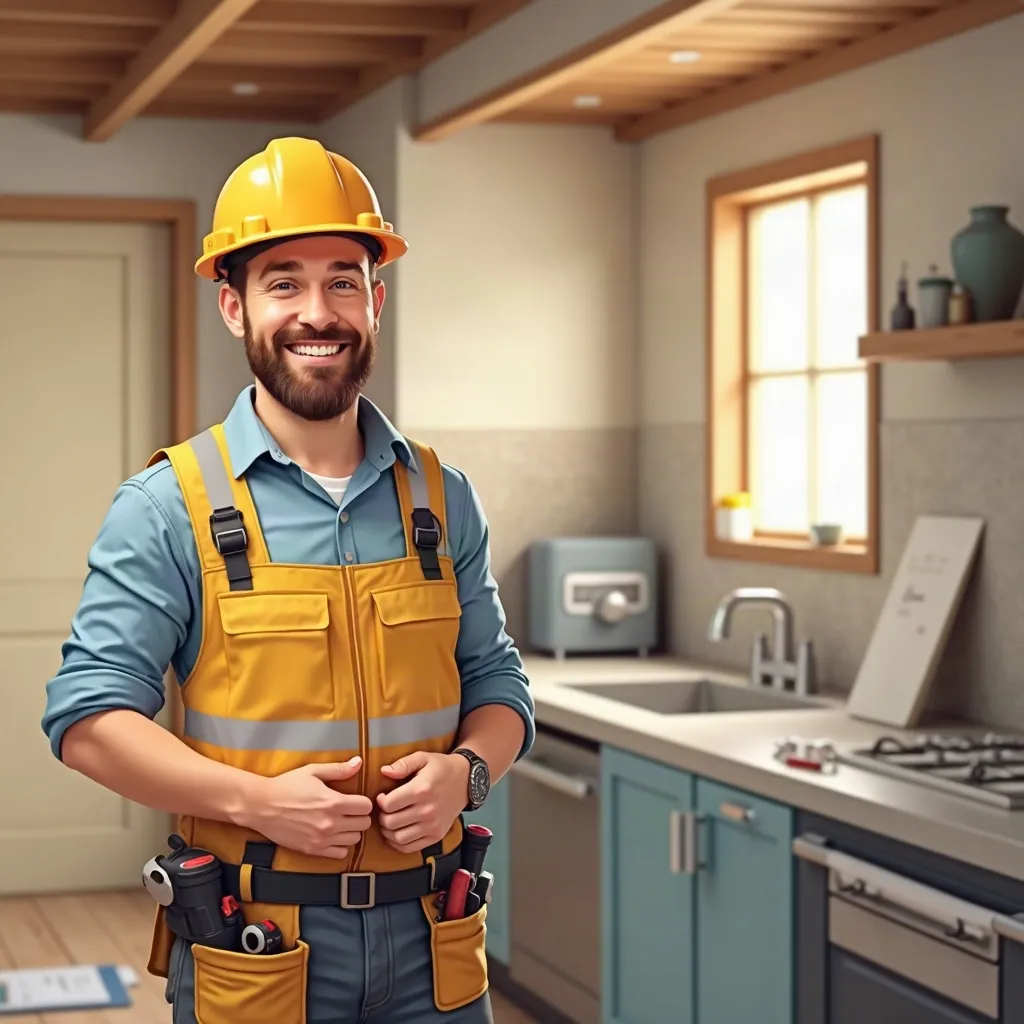
What Does a General Contractor Do?
A general contractor orchestrates the different components of a construction project, guaranteeing that all aspects proceed seamlessly from start to finish. They function as the primary point of contact, overseeing correspondence between clients, specialized contractors, and suppliers. This role involves developing the project timeline, organizing labor, and ensuring compliance with regional construction standards and requirements.
General contractors are in charge of acquiring required licenses and arranging inspections, which are essential to upholding safety and quality benchmarks. They also handle budgeting, sourcing materials, and managing on-site activities to prevent any possible setbacks or complications. In addition, they oversee subcontractors, making sure that each phase of construction conforms to project specifications and timelines. Overall, a general contractor's expertise and organizational skills are essential to delivering a successful construction project, turning a client's vision into reality while balancing multiple tasks and responsibilities.
Advantages of Engaging a General Contractor for Home Updates
Hiring a professional builder for home renovations provides many advantages that can greatly enhance the efficiency and quality of the undertaking. General contractors possess knowledge in project management, making sure deadlines are achieved and funds are distributed effectively. Their established relationships with subcontractors can result in better pricing and superior workmanship, which ultimately saves homeowners both money and time.
Also, general contractors handle the intricate particulars of permits and inspections, minimizing potential legal issues. They also furnish a sole representative, easing correspondence and cooperation among different professionals. This integration mitigates the likelihood of misunderstandings and delays.
Moreover, their background allows them to predict potential challenges, making possible prompt resolutions to keep the project on track. By hiring a general contractor, homeowners can prioritize their vision while gaining peace of mind, knowing that a professional is overseeing every aspect of the renovation.
Debunking Myths About General Contractors
Although many property owners may have erroneous ideas about contracting professionals, grasping the realities can lead to more informed decisions. A common myth is that hiring a contractor is unnecessary for minor projects; still, their proficiency can streamline even small-scale renovations, ensuring compliance with local codes. Another frequent belief is that contractors are just middlemen, but they often have extensive knowledge in various trades, allowing them to manage projects efficiently. Moreover, some homeowners assume that working with a contractor will greatly raise costs. In reality, a experienced general contractor can often obtain better deals for materials and labor through long-standing relationships with vendors and subcontractors. Lastly, many think that general contractors are inflexible, but reliable contractors focus on client communication and work closely to satisfy specific needs. Dispelling myths can empower clients to harness the true value of general contractors when completing positive home projects.
How to Pick the Right General Contractor?
How can property owners guarantee they choose the ideal general contractor for their undertakings? The process begins with thorough research. Property owners should seek recommendations from friends, family, or online reviews to identify potential candidates. Once a list is assembled, verifying credentials, such as licensing, insurance, and bonding, is vital to confirm legitimacy.
Next, homeowners should request and review portfolios of prior projects, emphasizing projects similar in scope. Arranging consultations allows homeowners to determine suitability, addressing deadlines, finances, and goals. It's also advisable to gather multiple bids for contrast, providing a transparent view of pricing.
Verifying references provides insight into a contractor's reliability and professionalism. Finally, relying on your gut feeling is important; an opening discussion can expose a contractor's way of communicating and methodology. By adhering to these guidelines, homeowners can significantly boost their likelihood of picking a general contractor who matches their project needs and vision.
Successful Communication Methods With Your General Contractor
How can homeowners apply approaches to maintain strong exchanges with their general contractor? Creating direct engagement from the beginning is vital. Homeowners must clearly express their goals, project targets, and budget constraints during preliminary talks. Regular communications can be supported through planned meetings, guaranteeing that both parties stay synchronized throughout the project.
Leveraging documentation records, like email exchanges and project logs, reinforces spoken arrangements and reduces misunderstandings. Homeowners should equally encourage transparent communication by soliciting feedback and questions from the contractor, fostering a cooperative environment.
In addition, harnessing technological tools, such as project management apps, can refine communication by presenting a centralized platform for communicating updates, timelines, and changes. Finally, being considerate and approachable can elevate rapport, allowing it easier for the contractor to voice challenges or suggestions in an effective manner. By utilizing these strategies, homeowners can create a productive and forthright bond with their general contractor.
Things to Know When Your Undertaking Launches?
Once the initiative kicks off, homeowners can expect a surge of operations on-site. The prime contractor will coordinate teams of skilled tradespeople, including electricians, plumbers, and carpenters, who will start their duties following the established timeline. Homeowners may notice heavy machinery and materials being moved in, creating a energetic environment.
Communication stays vital during this stage. The contractor will give progress reports on advancement and address any concerns essential resource that occur. Homeowners should get ready for possible interruptions, such as sound and restricted entry to certain areas of the home.
Safety measures will be in place to defend both workers and residents, confirming a secure environment. Additionally, homeowners may be encouraged to sustain flexibility, as unexpected circumstances can arise, necessitating adjustments to the original plan. Overall, this initial phase creates the conditions for the successful completion of the project, and active engagement is essential.
Fundamental Questions for Your General Contractor Agreement?
Deciding which queries to ask when completing a general contractor agreement is vital for guaranteeing a trouble-free project. Homeowners should ask about the contractor's permit and coverage to check their qualifications and protection against liabilities. Understanding the project schedule and goals is crucial; therefore, asking about expected completion dates helps manage expectations.
It is also vital to define payment terms, encompassing deposit amounts and payment schedules, to avert miscommunications. Homeowners should seek a detailed breakdown of costs, embracing materials and labor, to guarantee openness. In addition, talking through the process for dealing with adjustments or unexpected complications can circumvent conflicts afterwards.
To wrap up, homeowners must look into information about subcontractors and their experience, as well as the communication methods of the contractor throughout the project. By addressing these concerns, property owners can maintain a strong partnership with their general contractor, ultimately facilitating a successful home project.
Frequently Requested Questions
How Do General Contractors Bill for Their Services?
Contractors commonly assess fees by way of flat fees, time-based pricing, or a proportion of the overall budget. Their pricing model may also contain building materials, labor, and business expenses, subject to the project's complexity and scope.
Can a General Contractor Offer Support With Authorizations and Reviews?
Yes, a construction contractor can help with obtaining permits and managing inspections. They typically handle local codes and guarantee compliance, making it easier for homeowners while enabling necessary approvals throughout the construction undertaking.
What Credentials Should I Find in a General Contractor?
When designating a construction company, one should analyze professional attributes such as current licensing, suitable insurance, experience in relevant projects, positive references, and effective communication skills, ensuring they retain the necessary expertise to manage the project successfully.
How Long Does a Standard Home Restoration Job Take?
A common home remodeling job can last anywhere from a few weeks to several months, reliant on the scope, complexity, and size of the project, as well as the supply of materials and labor.
What Transpires if My Initiative Exceeds Budget?
If a project exceeds the budget, the builder usually talks through the causes and alternatives with the property owner. Changes may consist of scaling back, seeking additional funding, or revising the project scope to align with financial limits.
Report this page